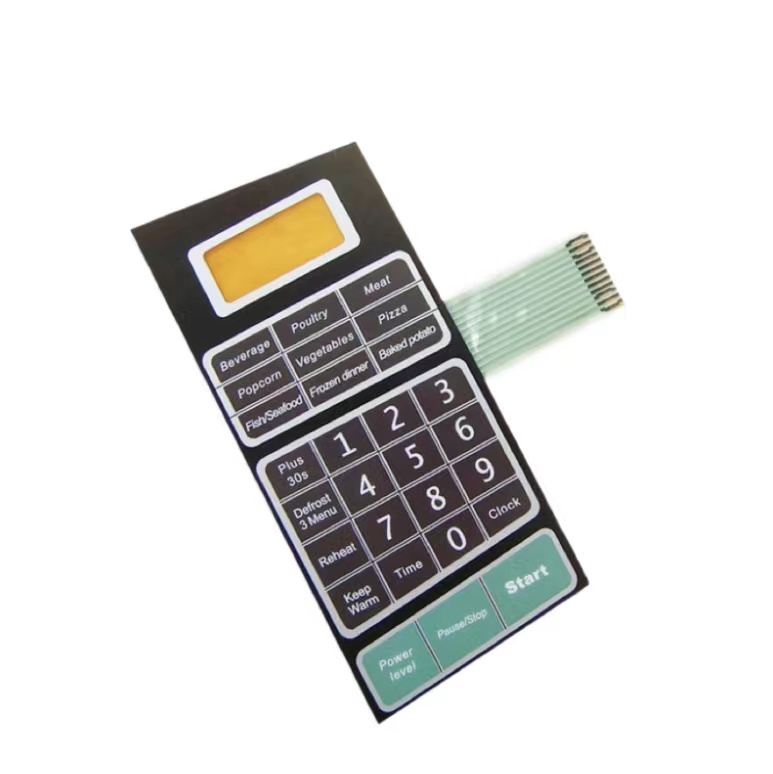
Low MOQ Custom Membrane Switch Panel Keypad Control
- Circuit Type: PET Silver Conductive
- Actuation Force: 250g - 450g
- Tactile Life: > 1,000,000 Cycles
Engineered for mission-critical tactile feedback across industrial, medical, and consumer electronics applications.

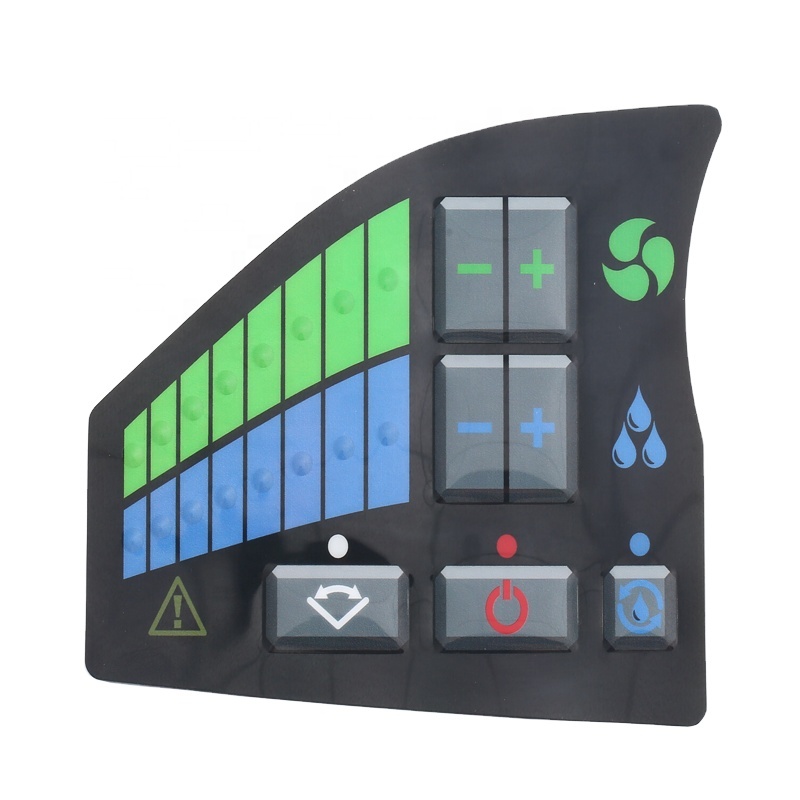
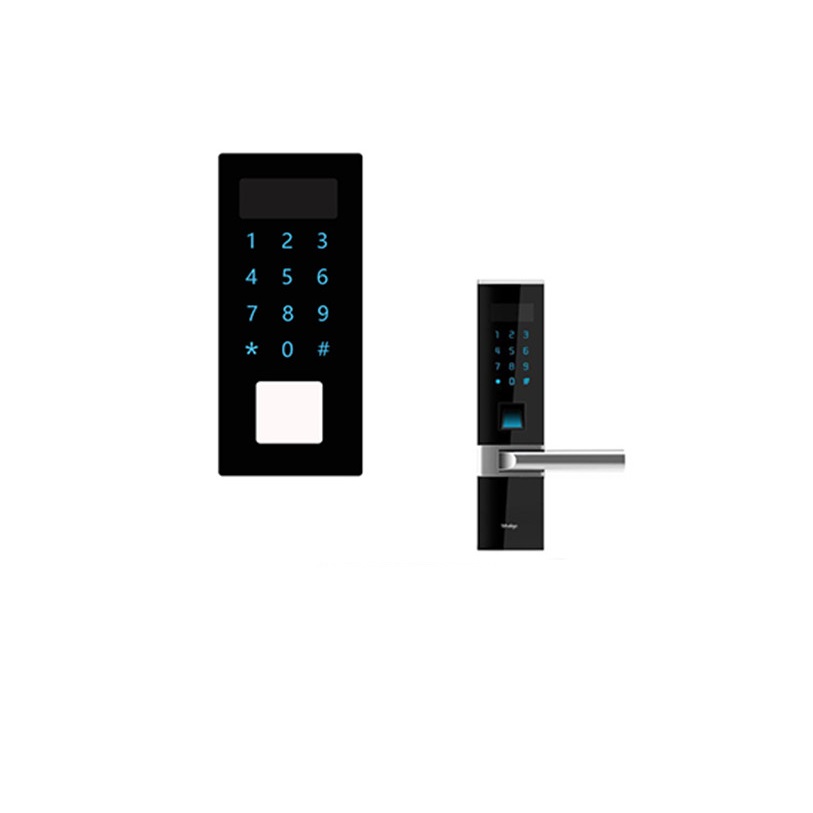
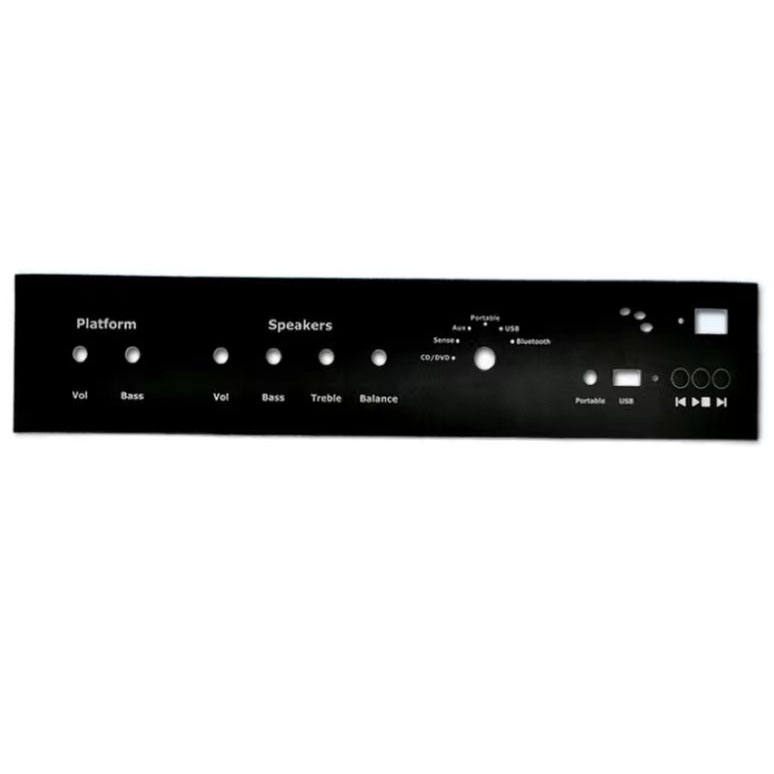
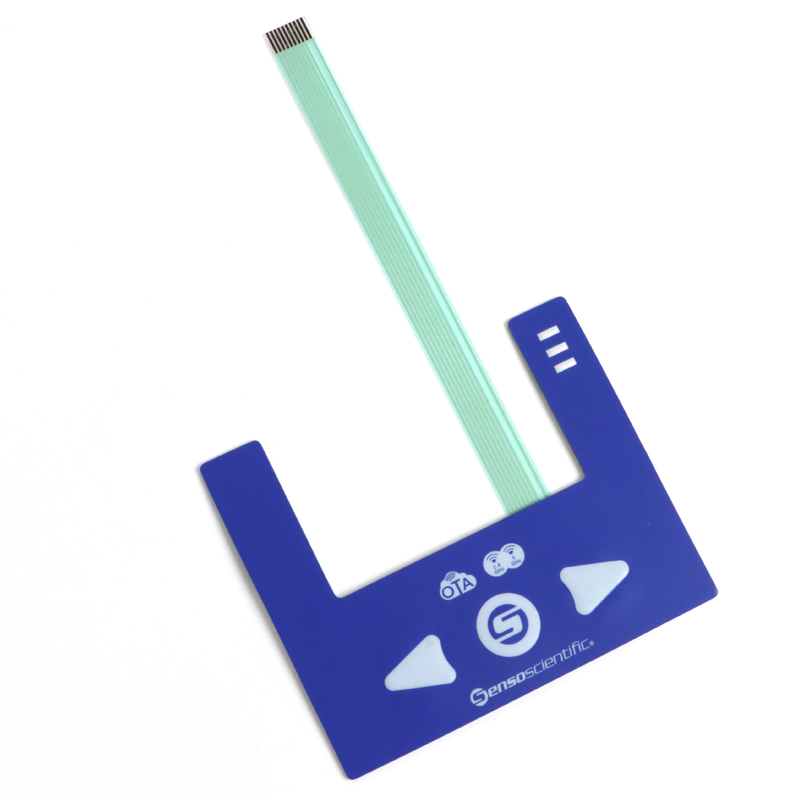
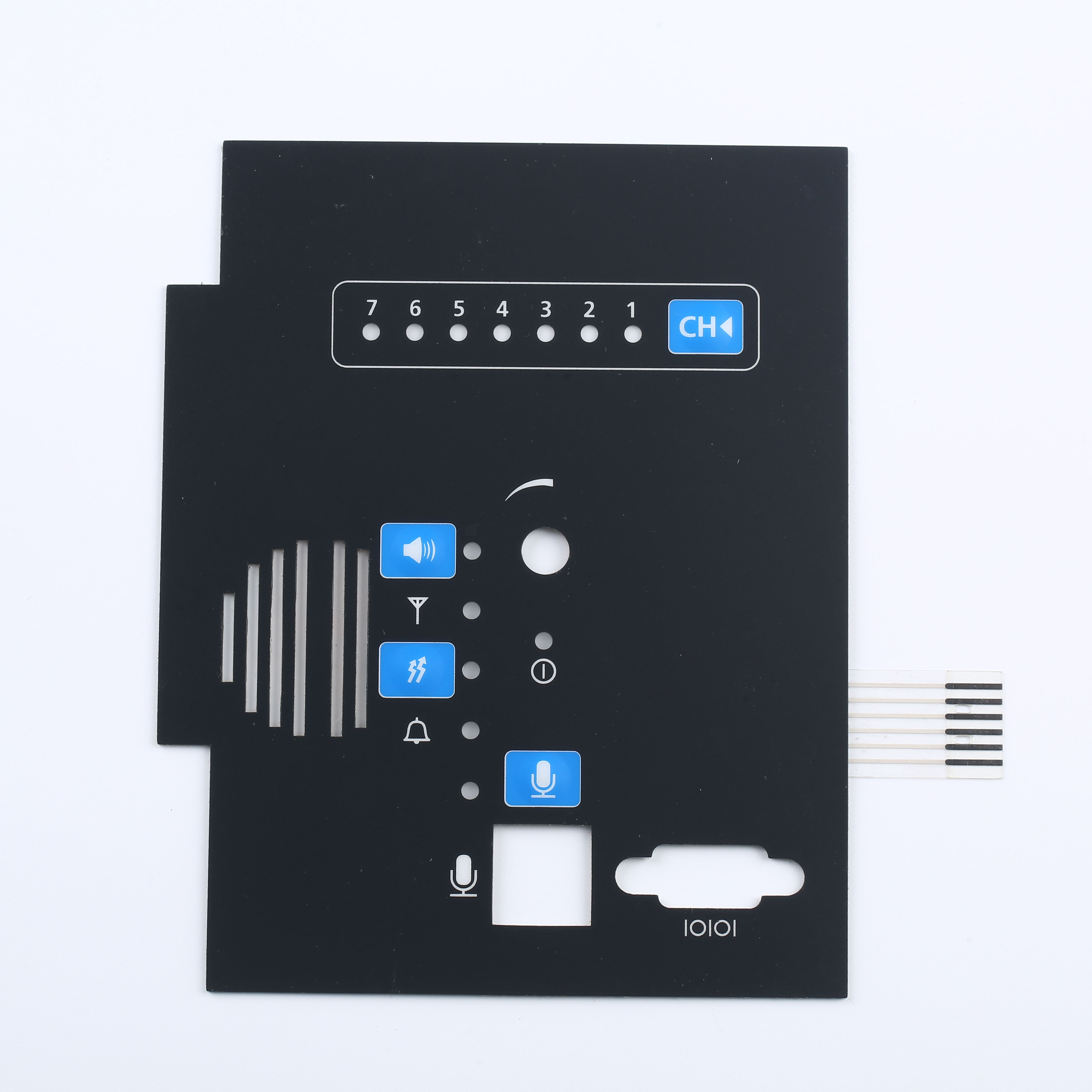
Analyzing structural kinematics, contact resistance dynamics, and micro-venting protocols in modern human-machine interfaces.
In precision electronic switching, a metal dome sheet (often termed a poly-dome array) acts as both the tactile feedback generator and the momentary electrical bridge. Cevra utilizes premium medical-grade SUS301 and SUS304 stainless steel sourced under stringent metallographic controls. These alloys possess optimal elastic memory and tensile strength, preventing premature mechanical fatigue. Under European CE safety and RoHS/REACH compliance frameworks, metal dome switches undergo rigorous cross-sectional plating checks. Standard contact interfaces feature electro-plated nickel (Ni ≥ 2.0μm) or selective hard gold (Au ≥ 0.5μm over Ni ≥ 1.5μm), limiting dynamic contact resistance to ≤ 100 mΩ over an operational envelope spanning -40°C to +85°C.
The sensory signature of an interface is determined by the Tactile Ratio (TR), governed by the mathematical relation: TR = [(F1 - F2) / F1] × 100%, where F1 represents the peak actuation force and F2 denotes the return snap contact force. While generic stamping often results in erratic ratios varying between 30% and 65%, Cevra implements automated progressive stamping dies calibrated down to ±10g trip force tolerances. Typical four-legged cross dome configurations (8.4mm, 10mm, 12.2mm) are calibrated to maintain a crisp 45%–55% tactile ratio. This avoids mechanical teasing, eliminates false double-triggering, and sustains consistent operator haptics throughout life-cycle testing exceeding 1,000,000 actuations.
A common failure mode in sealed membrane arrays is pneumatic resistance—where air captured underneath a collapsing dome causes hydraulic dampening or lateral dome slippage. Cevra engineers address this through precision laser-ablated and CCD-die-cut internal venting micro-channels within the spacer matrix. These channels redistribute displaced air throughout non-functional chambers or equalize with the external atmosphere via ePTFE waterproof, dustproof oleophobic membrane breathers. This architecture allows full dynamic IP67 ingress protection against washdown and moisture without degrading the crisp, metallic mechanical return snap.
| Engineering Parameter | Standard Polyester Dome (PET) | Stainless 4-Leg Cross Metal Dome | Sealed Metal Dome Sheet Array |
|---|---|---|---|
| Actuation Lifetime | 100,000 - 300,000 cycles | 1,000,000 - 3,000,000 cycles | > 1,000,000 cycles (Uniform) |
| Operating Temperature | -20°C to +55°C | -45°C to +105°C | -40°C to +85°C (Adhesive dependent) |
| Contact Resistance Drift | Medium-High (Carbon Migration) | Ultra-Low (< 0.1 Ω Stable) | Ultra-Low (< 0.05 Ω with Gold Trace) |
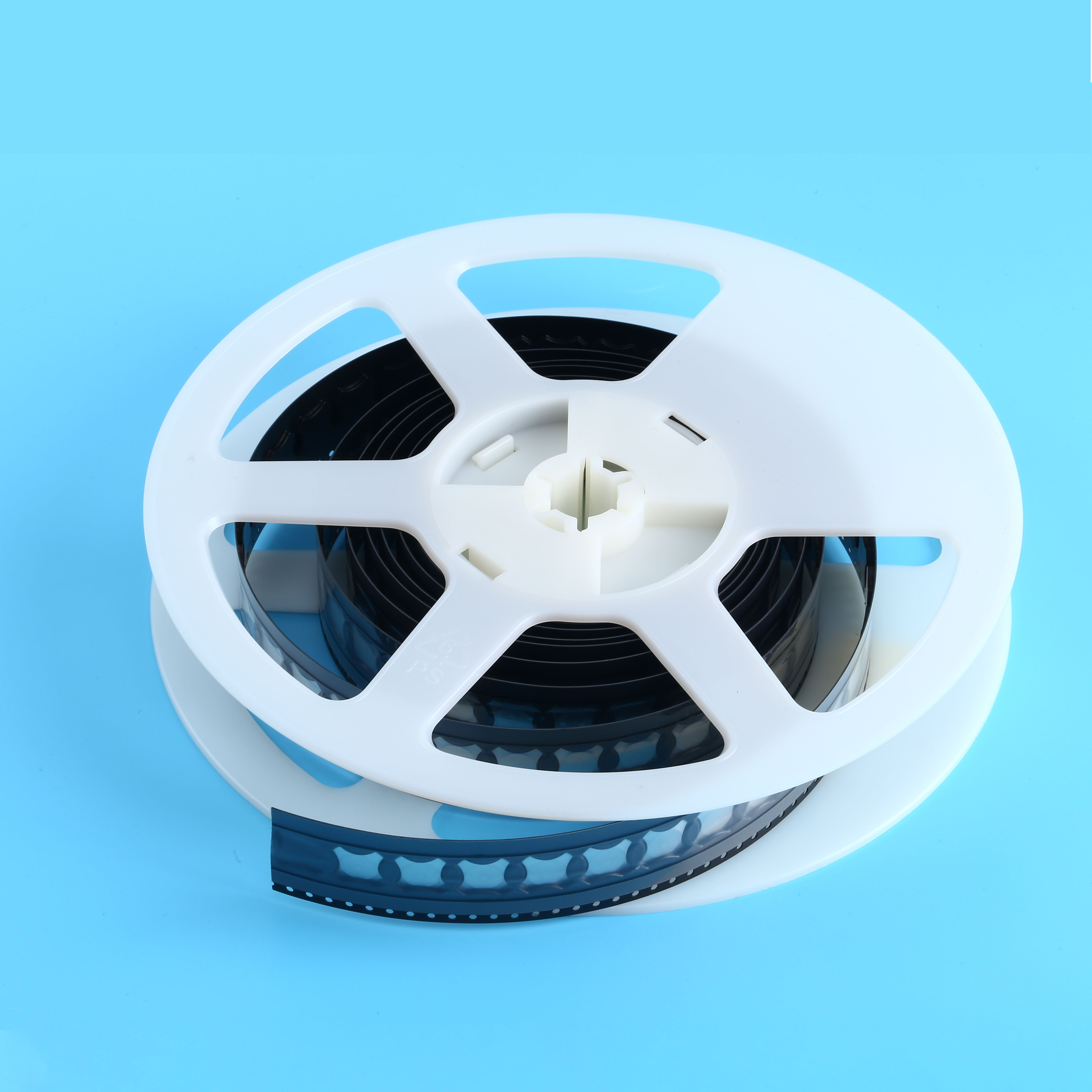
| Placement Yield (SMT/PCB) | Manual Assembly Dependent | Prone to reel jams / misorientation | 100% Array Alignment via Guide Holes |
| CE / RoHS / REACH Validation | Standard Polymeric | Full Heavy Metal Free Verification | Full System Compliance Certification |
Industrial membrane keyboards require multi-substrate integrity. Our sheets utilize genuine differential adhesives, including 3M 467MP, 468MP, and 200MP acrylic formulations, designed for ultra-high shear adhesion to FR4 PCBs, flexible polyimide circuits (FPC), and aluminum backplates. The carrier tape consists of anti-static, optically clear polyester film engineered to eliminate static electric build-up during peel-and-stick manufacturing. This protects sensitive underlying digital logic ICs from electrostatic breakdown during manual or robotic factory assembly.
Strategic engineering shifts driving global procurement specifications across tier-1 electronic OEMs.
Global assembly lines are shifting from manual individual dome placement toward SMT automation. Packaging four-legged and round snap domes in precision embossed carrier tape allows pick-and-place robots to mount domes directly onto circuit boards at up to 5,000 components per hour, minimizing labor overhead and assembly errors.
Modern medical and automotive designs blend flat capacitive touch screens with mechanical metal dome backup keys. This hybrid architecture ensures that emergency stop, menu execution, and primary functions retain tactile feedback even when operators wear nitrile gloves or operate in low-visibility environments.
As point-of-care diagnostics and handheld testers shrink, spatial clearance above PCBs is strictly limited. The trend centers on ultra-low-profile metal dome arrays (profile heights from 0.20mm to 0.35mm), providing clear tactile switching while reducing overall housing thickness.
Rather than placing heavy discrete LEDs behind thick bezels, cutting-edge procurement demands Light Guide Film (LGF) laminations situated directly above the metal dome sheet. Precision-placed micro-dots redirect light from edge-lit side-view SMD LEDs to illuminate key legends evenly with zero hotspot dispersion.
Driven by the European Green Deal and CE standard updates, procurement teams now require verified raw materials across all layers. This includes halogen-free spacer substrates, low-VOC pressure-sensitive adhesives, and nickel-leaching-resistant metallurgical coatings.
Combining 16+ years of specialized HMI engineering with audited cleanroom manufacturing facilities.
Production is executed under certified quality management systems verified onsite by SGS Group. We maintain continuous material traceability from raw stainless alloy coils to tested array sheets.
Our 2,600㎡ Dongguan facility houses semi-automatic silk-screen printing lines, precision CCD drilling machines, high-speed stamping presses, laser cutting, and automated dome placement lines under one roof.
Every production batch undergoes comprehensive mechanical and electrical verification: computerized dome load-displacement curve analysis, high/low thermal aging (-40°C to 120°C), peel adhesion tension tests, and pencil hardness verification.
Work directly with our English-speaking senior HMI application engineers. We evaluate your CAD/Gerber files for manufacturability (DFM), advise on optimal layer stack-ups, and deliver rapid prototypes within 5 to 7 business days.
We support hardware innovators through all lifecycle stages: from pilot evaluation runs starting as low as 10–100 pieces for custom membrane switch panels up to multi-million piece mass production arrays.
Direct technical answers to common questions encountered by electronic component buyers and project managers.
Collaborate with an established ISO 9001 certified Chinese factory. Request samples, receive complete DFM stack-up recommendations, and obtain competitive factory-direct pricing within 24 hours.
Ready to speak with our engineering specialists?
Send an Inquiry