Engineered HMI Solutions & Custom Switch Form Factors
Precision tactile response, industrial ingress sealing, and rigorously audited structural assemblies manufactured to ISO 9001 and CE compliance criteria.

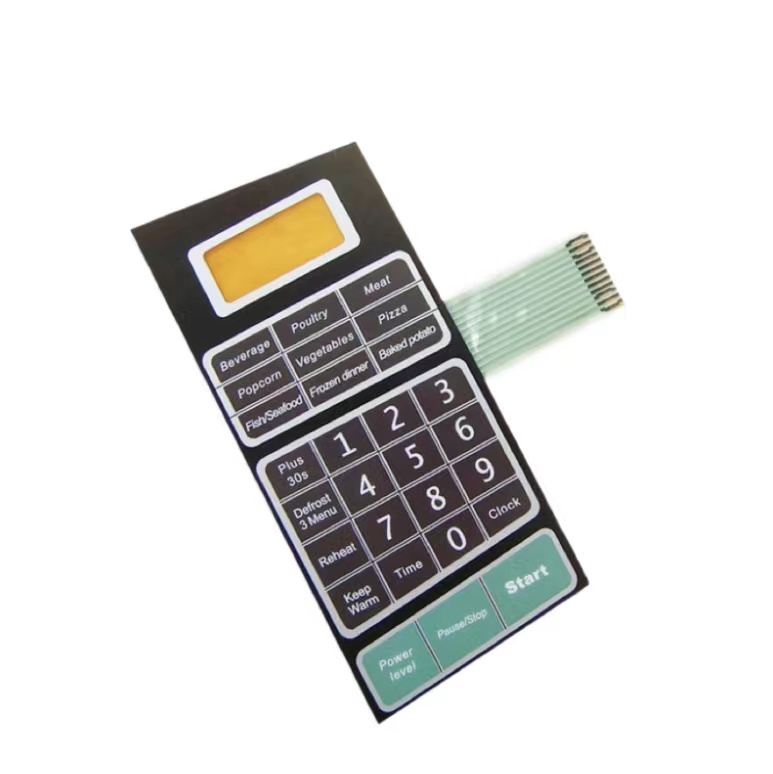
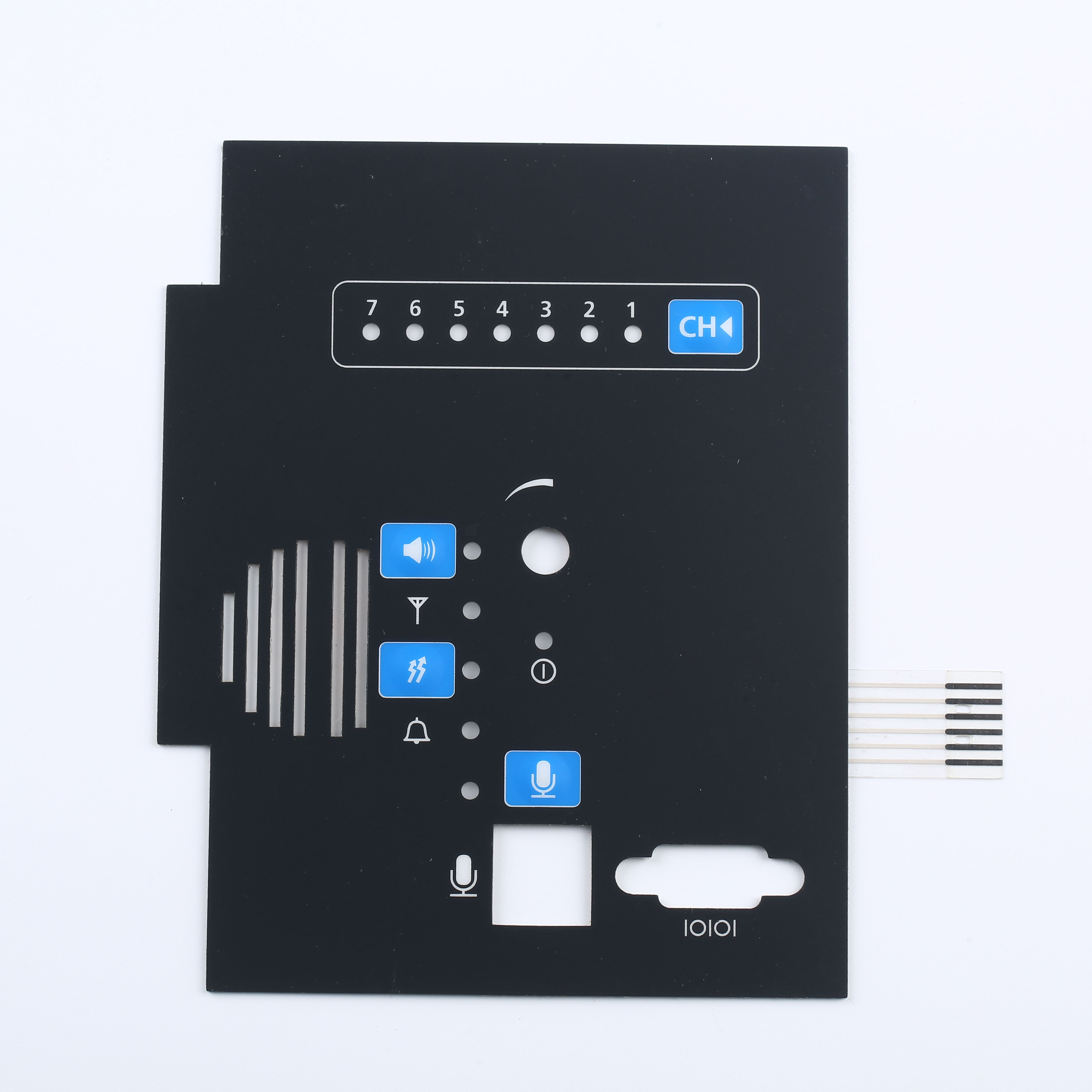
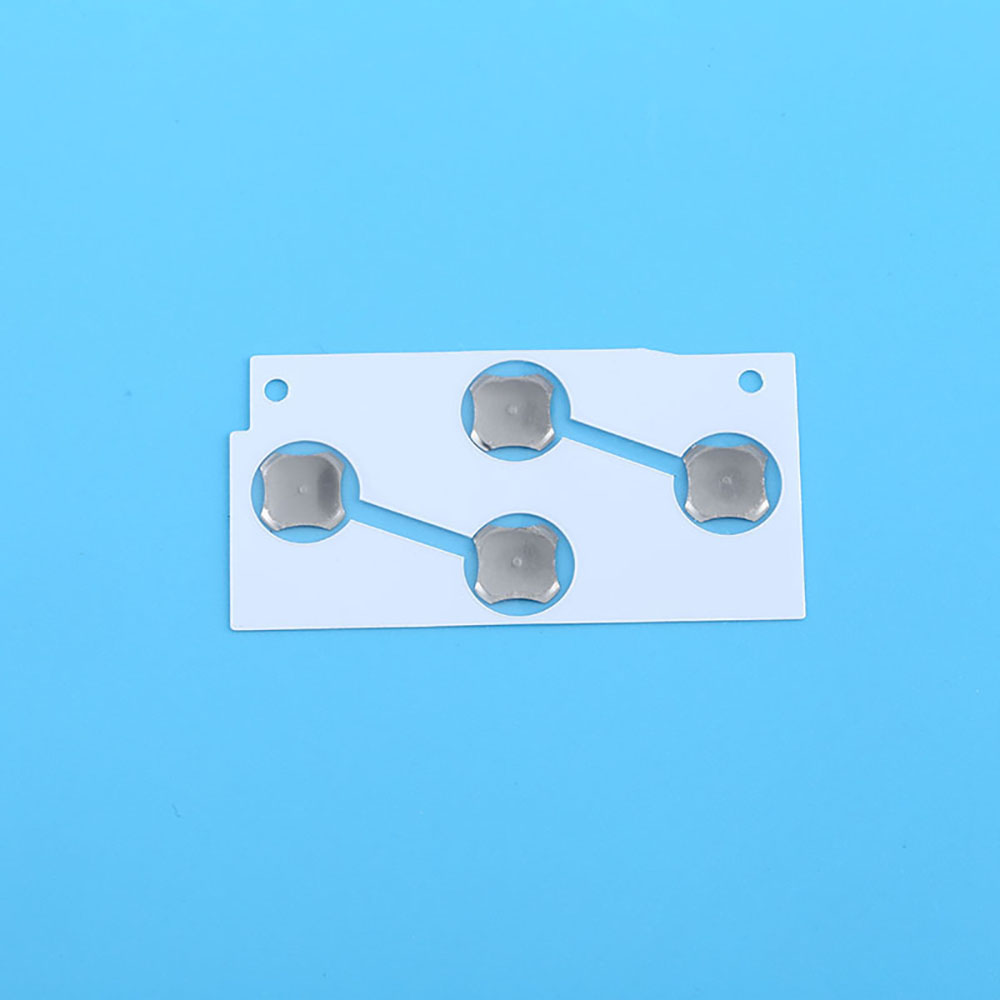
Engineering Authority: The Architectural Stack of Modern Membrane Switches
In modern industrial automation, medical diagnostics, energy distribution, and commercial aerospace systems, the Human-Machine Interface (HMI) serves as the primary conduit of operational safety and functional execution. Selecting a genuine CE Certified Membrane Switch Factory ensures that your equipment conforms to stringent European Low Voltage Directives (LVD), Electromagnetic Compatibility (EMC) standards, and RoHS/REACH environmental compliance mandates.
A high-performance membrane switch is not merely a screen-printed piece of plastic; it is a multi-layered, hermetically sealed electro-mechanical system engineered for environmental resistance and structural cohesion. The stack-up typically comprises:
1. Graphic Overlay Layer
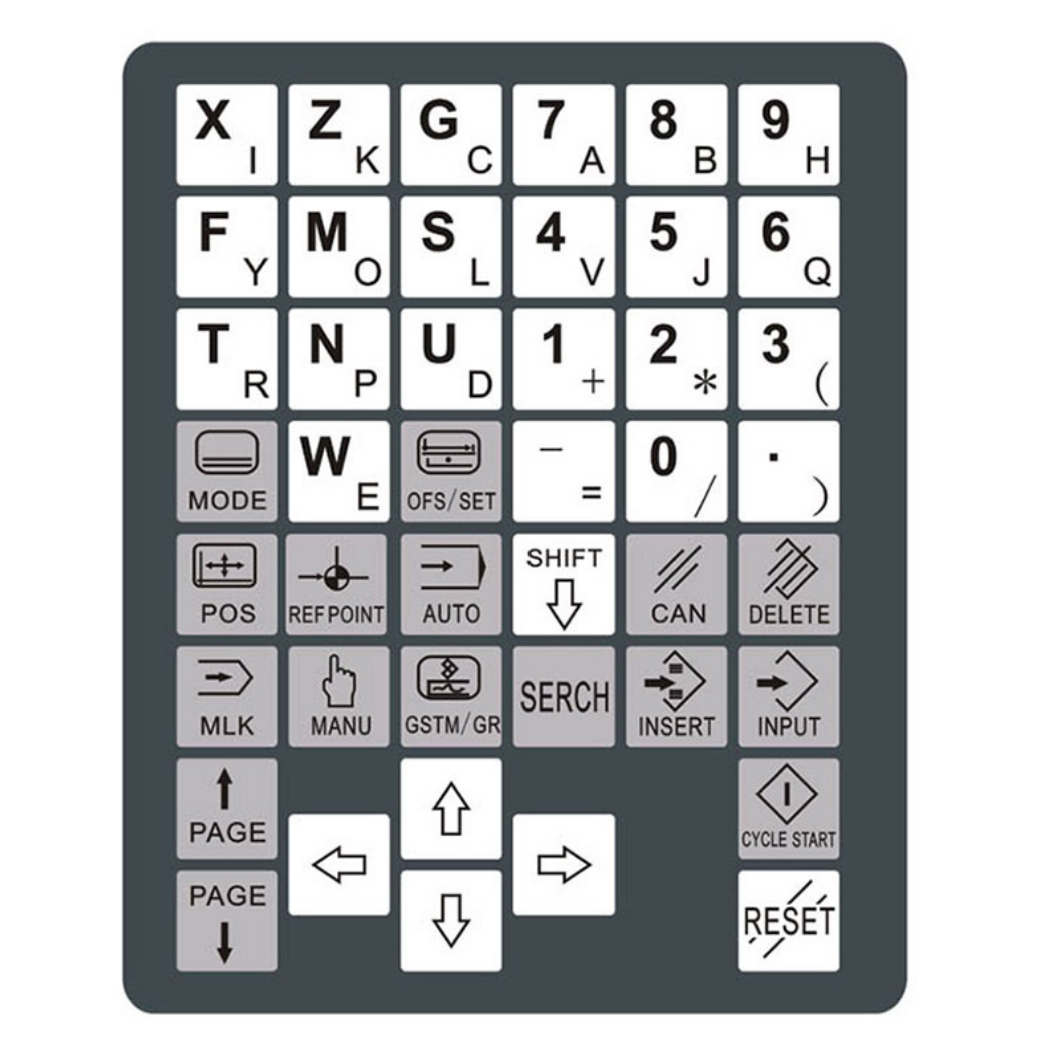
Sub-surface screen or digital printed biaxially oriented polyethylene terephthalate (PET) or high-grade polycarbonate (PC). Offers chemical barrier properties, UV resistance, and embossed key textures.
2. Adhesive & Spacer Die-Cuts
High-shear acrylic adhesives (e.g., 3M 467MP, 468MP, or VHB systems) paired with polyester spacer films, calibrated to create micro-vented air chambers that prevent internal barometric pressure lock.
3. Tactile Feedback Mechanism
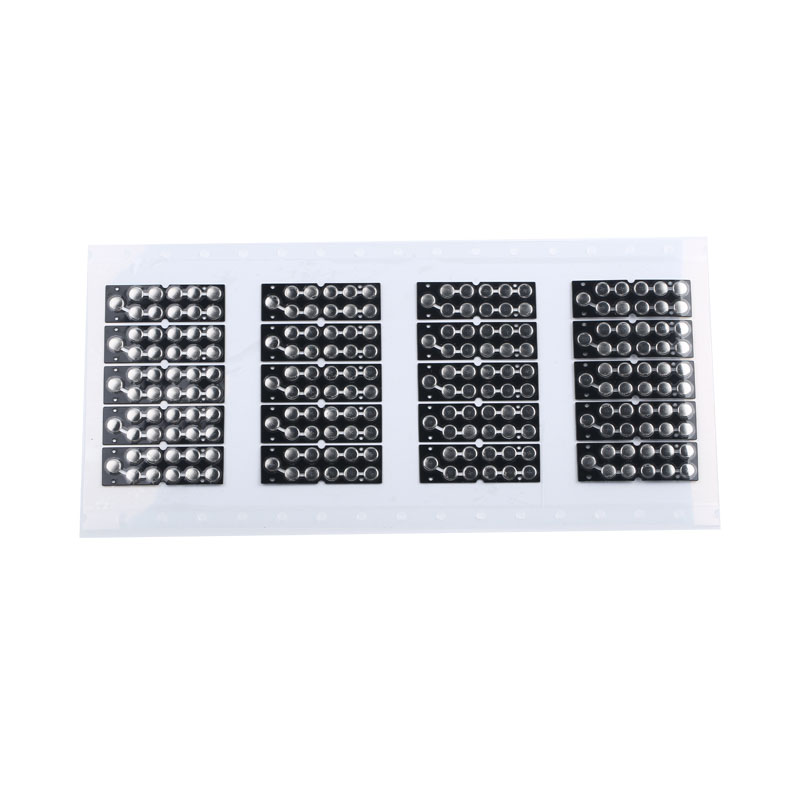
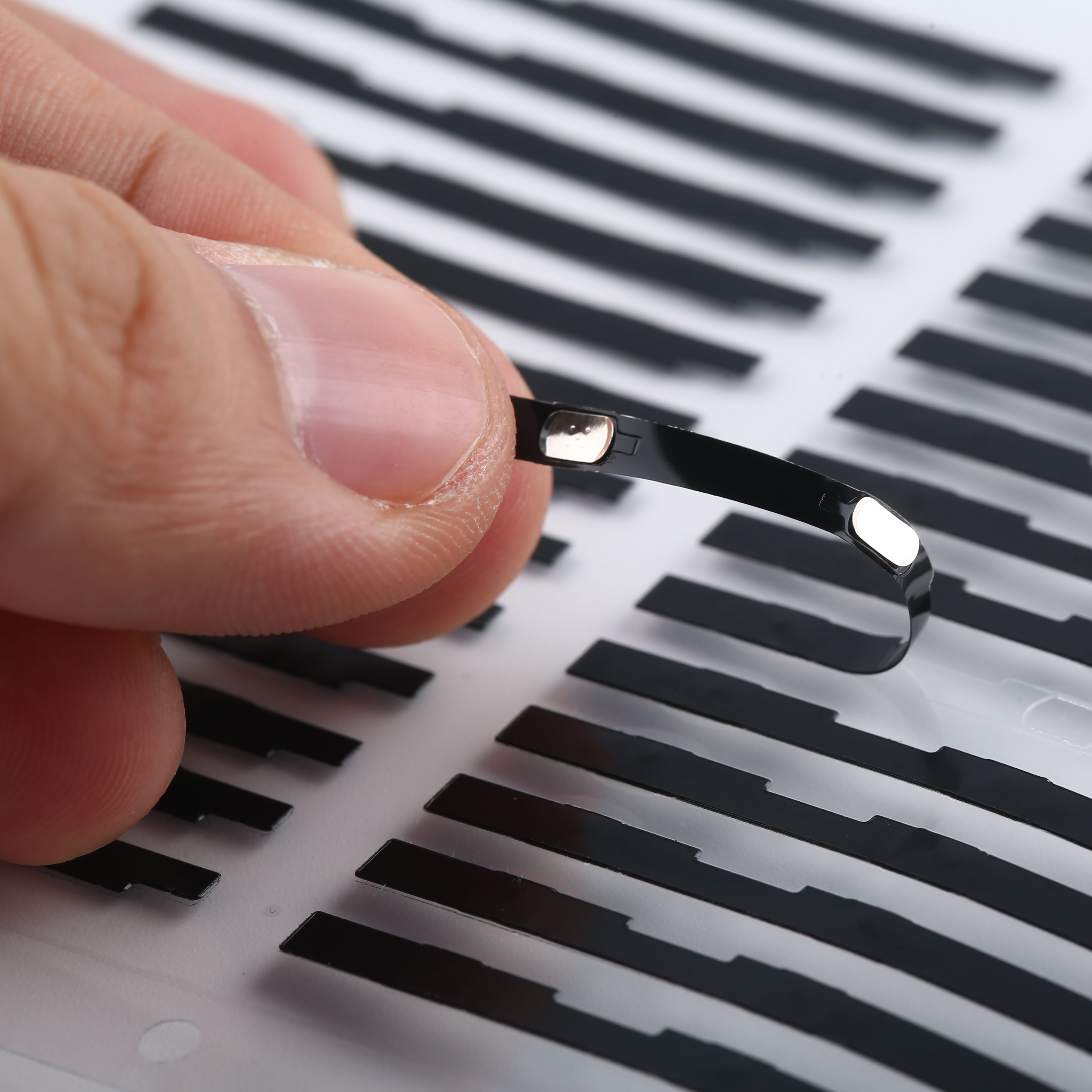
Four-legged snap domes, round domes, or custom-plated triangular domes (nickel or gold alloy) positioned within custom dome carrier arrays to deliver consistent snap ratios and tactile crispness.
4. Conductive Circuit Layer
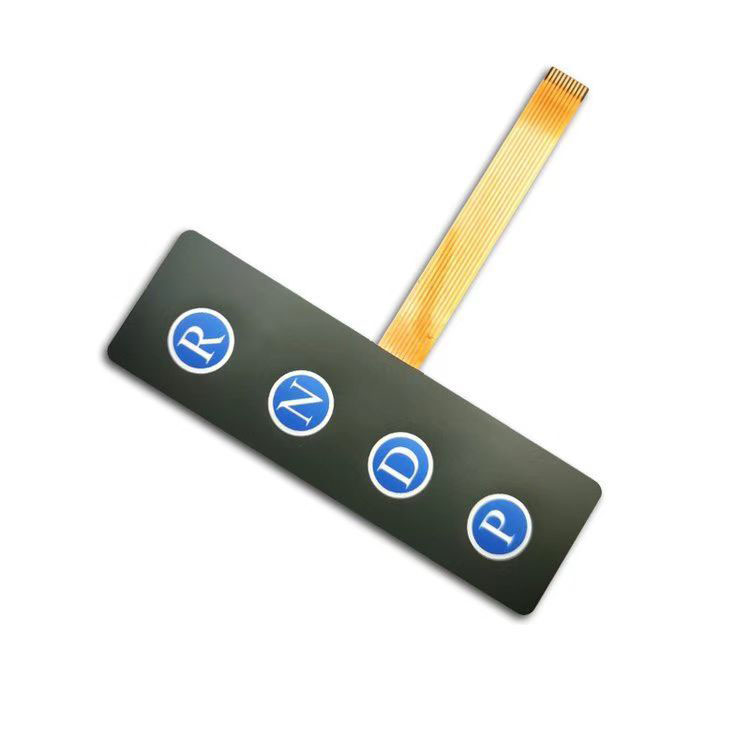
Screen-printed conductive silver inks with carbon overcoats to prevent silver migration, or advanced polyimide Flexible Printed Circuits (FPC) with copper etched traces for low-resistance SMT component integration.
5. Shielding & Grounding Planes
Aluminum foil, printed conductive carbon, or selective indium tin oxide (ITO) grids directly terminated to chassis ground to block electrostatic discharge (ESD) and radio-frequency interference (RFI).
6. Optical Backlighting Layer
Ultra-thin Light Guide Film (LGF) paired with side-firing surface-mount micro-LEDs, delivering uniform key illumination without hotspots while operating at minimal thermal dissipation and low power drain.
Engineering Matrix: Substrate Selection Dynamics
Procuring membrane switches requires balancing operational conditions against substrate physics. Below is an engineering comparison matrix designed to streamline procurement decisions:
| Evaluation Parameter | Autotype Polyester (PET) | Polycarbonate (PC) | Polyimide (Kapton / FPC) |
|---|---|---|---|
| Mechanical Flex Life | Exceeds 5,000,000 cycles | Limited (~100,000 cycles) | Exceeds 10,000,000 cycles |
| Chemical & Solvent Resistance | Exceptional (Alcohols, Cleaners, Fuels) | Moderate (Attacked by ketones & esters) | High (Tolerates industrial chemicals) |
| Thermal Operating Profile | -40°C to +85°C | -20°C to +75°C | -40°C to +125°C |
| Embossing Retention | Requires precise heat-stabilization | High detail fidelity at room temp | Not applicable (primarily circuit) |
| Typical Procurement Application | Industrial HMIs, Out-door, Medical | Cost-sensitive covers, Static panels | Dense multi-pin pitch, SMT integration |
Emerging Procurement & Technology Trends in HMI Interfaces
As industry global supply chains shift toward decentralized, high-reliability requirements, several technological movements are redefining procurement specifications for membrane keypads:
1. Shift Towards Copper-Clad FPC from Silver Silk-Screening
While screen-printed polymer thick film (PTF) silver circuits remain cost-effective for simple matrices, precision instruments are increasingly shifting to Flexible Printed Circuits (FPC). FPC resolves silver migration risks under high humidity and elevated direct current potentials, reduces tail interconnect resistance down to milliohms, and allows ultra-dense zero-insertion-force (ZIF) connector pitches (0.5mm or 1.0mm).
2. Integrated Capacitive Sensing and Hybrid Switches
Industrial designers are merging the clean aesthetic of touch-glass with the definitive reliability of mechanical switches. Hybrid interfaces incorporate capacitive sensor buttons alongside tactile emergency stops or confirmation buttons, providing the user with foolproof tactile security combined with fluid smart-display integration.
3. Low-Profile Micro-Illumination via Micro-LGF
Bulky backlighting arrays utilizing electroluminescent (EL) foils are being phased out in favor of Light Guide Film (LGF). LGF utilizes micro-etched dot matrices to redirect light from perimeter-mounted 0603 or 0805 SMD LEDs evenly across key legends. This approach eliminates high-voltage inverters, mitigates high-frequency EMI noise, and maintains switch thickness below 1.2mm.
4. Antimicrobial and Harsh-Environment Texturing
Post-pandemic procurement standards in clinical and laboratory environments necessitate overlays embedded with antimicrobial agents (silver-ion technology) directly integrated into the polyester matrix during film casting. These surfaces withstand frequent sterilization using glutaraldehyde, quaternary ammonium, and bleach without fogging or surface degradation.
Why Partner with Dongguan Cevra Electronic Technology Co., Ltd.
Established in March 2009, Dongguan Cevra Electronic Technology Co., Ltd. has grown to become an authoritative manufacturer specializing in the research, development, and mass production of custom membrane switches, metal dome arrays, sensor film switches, and graphic overlays. Located in Dongguan, Guangdong, our facility anchors directly into the world’s most comprehensive electronics supply ecosystem.
Full In-House Fabrication Facility
We operate 2,600㎡ of modern production space featuring semi-automatic and high-precision silk-screen printing units, computer-controlled punching machinery, precision laser cutting, CCD optical drilling, and fully automatic cleanroom lamination lines.
Third-Party Audited & ISO 9001 Certified
Our quality management architecture is strictly verified onsite by SGS Group. From incoming material qualification (IQC) to in-process quality control (IPQC) and 100% outgoing electrical and optical checks, every production run is fully documented and traceable.
Dedicated Laboratory Testing Rigor
Our facility houses high/low-temperature cycling chambers, automated dome actuation load testers, holding tack testers, peel tension testers, and electric pencil scratch hardness testers to validate mechanical integrity prior to dispatch.
Procurement FAQ: Engineering Inquiries & Technical Requirements
How does CE certification apply to passive membrane switch assemblies?
What design considerations prevent silver migration in high-humidity applications?
What is the optimum snap force ratio for industrial vs. medical keypads?
How do you ensure IP65, IP67, or NEMA 4X waterproof sealing?
What file formats are required for accurate DFM engineering review?
Transform Your Human-Machine Interface Design
Connect with our technical engineering team in Dongguan. We offer complete Design for Manufacturability (DFM) reviews, layer stack-up optimization, rapid prototyping, and scalable OEM production backed by ISO 9001 quality infrastructure.