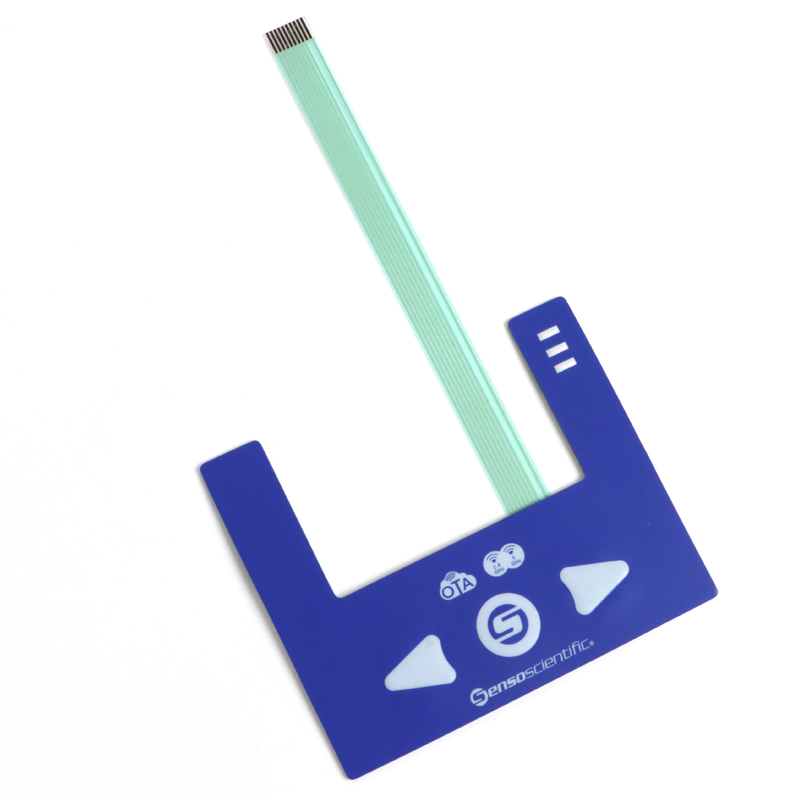
Manufacturer Custom Membrane Keypads Membrane Keyboard and Led Membrane Graphic Overlay
SMD LED Backlighting | Embossed PET | IP65 Seal
Get Catalog
Customized human-machine interfaces engineered for demanding industrial, medical, and commercial environments. Select any core architecture to configure tactile force, electrical parameters, and environmental ingress protection.
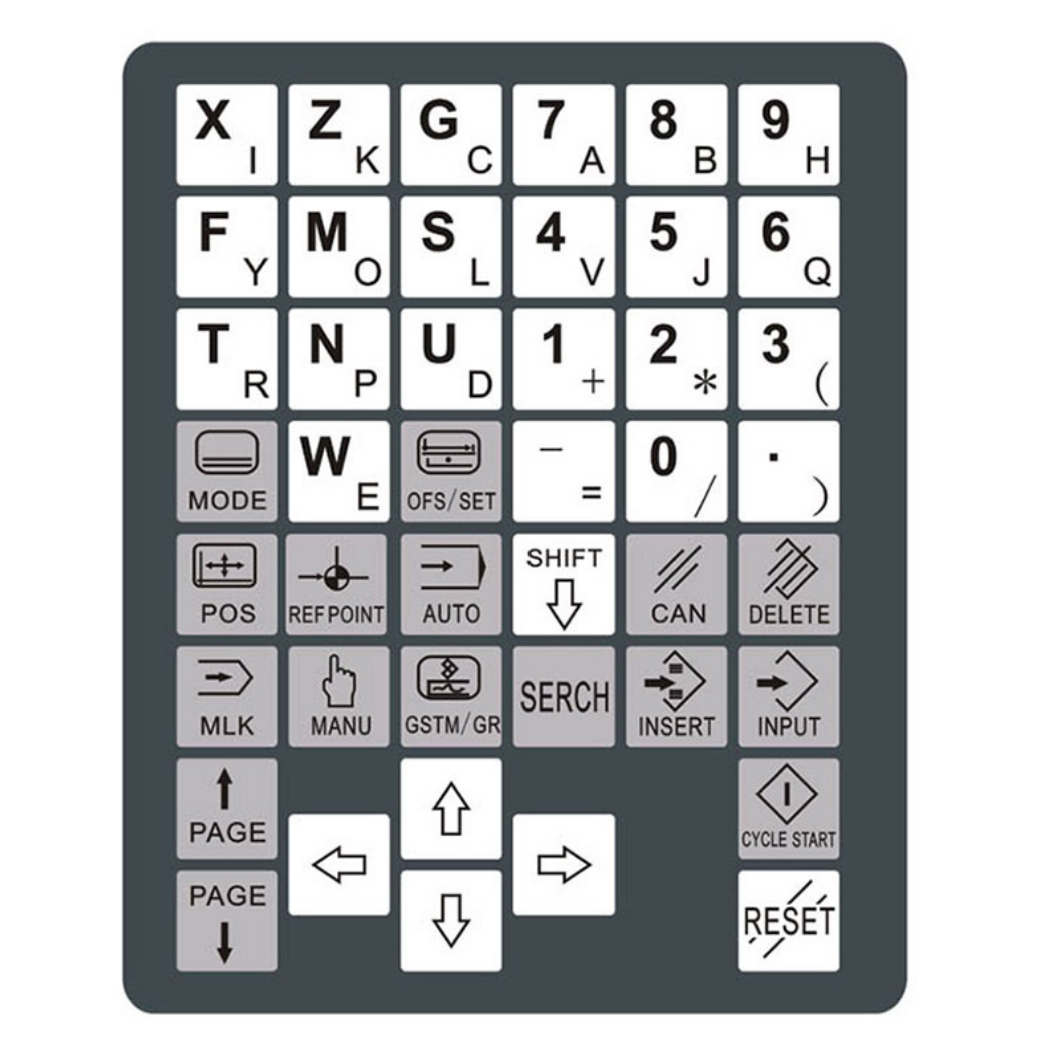
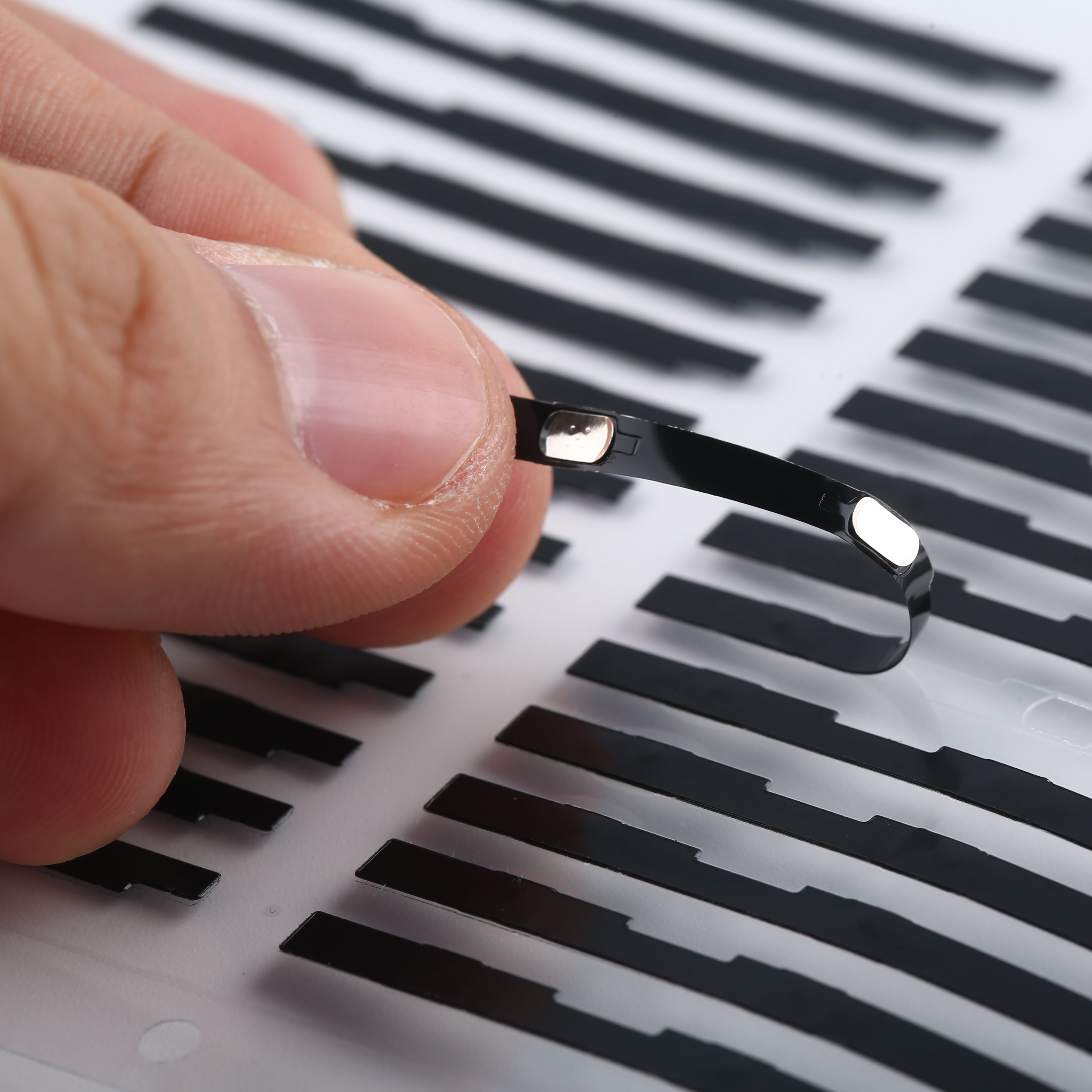
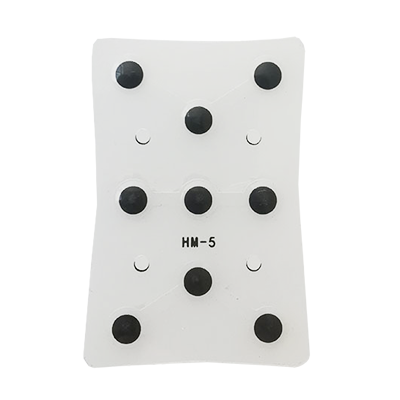
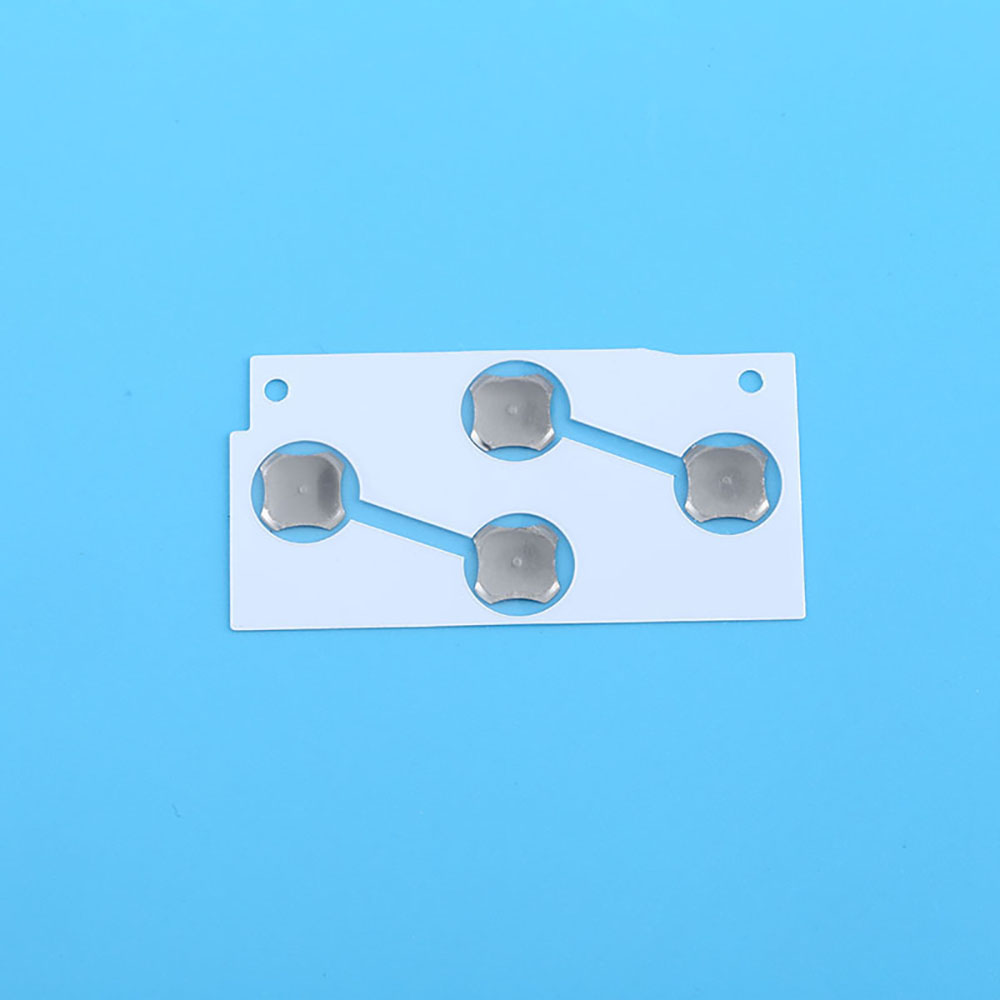
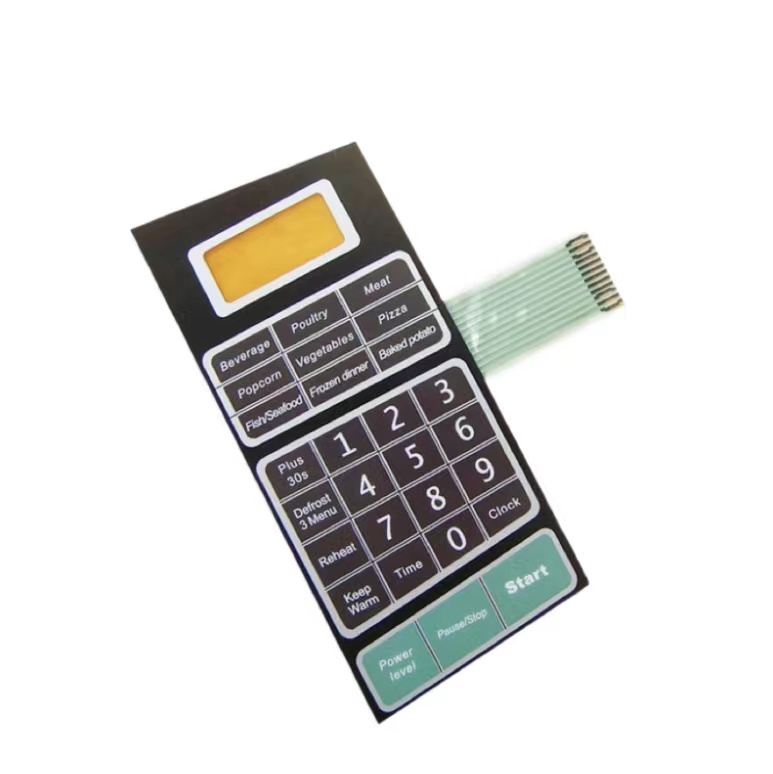
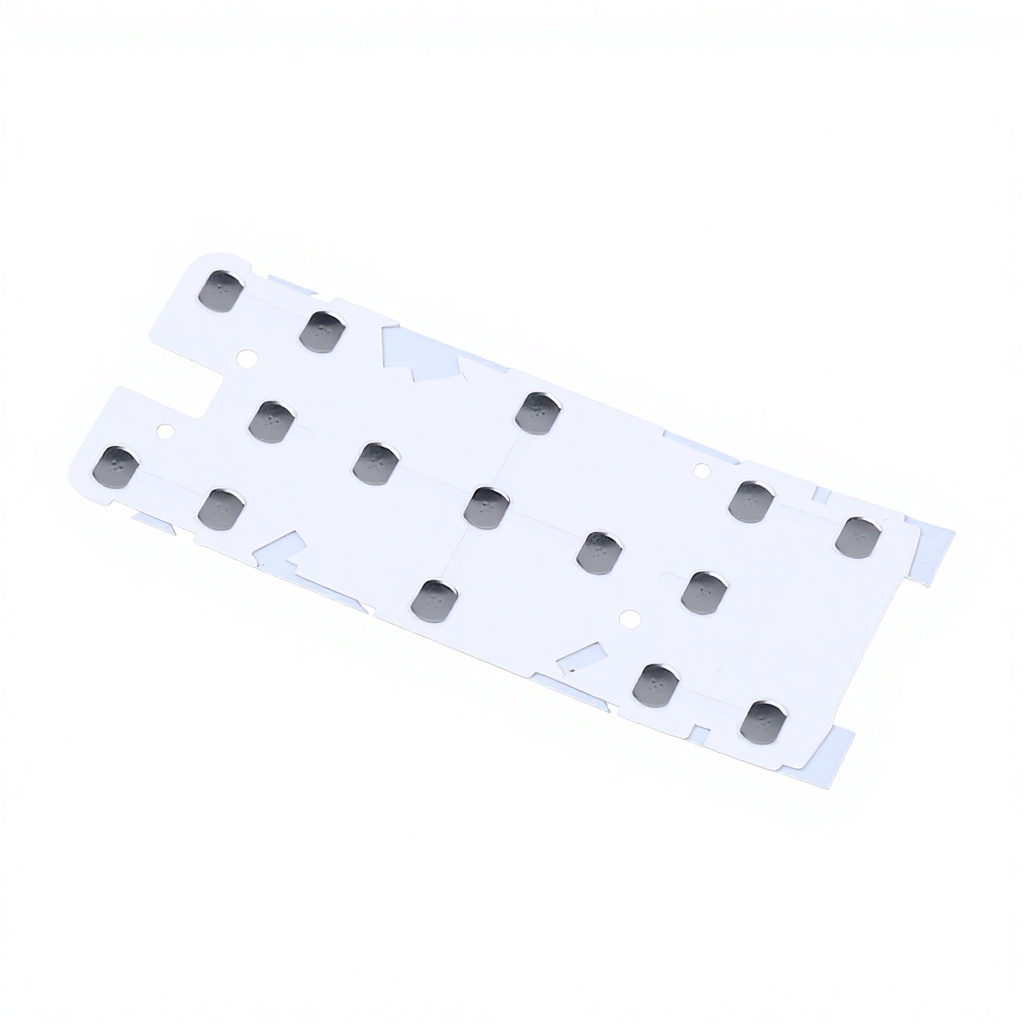
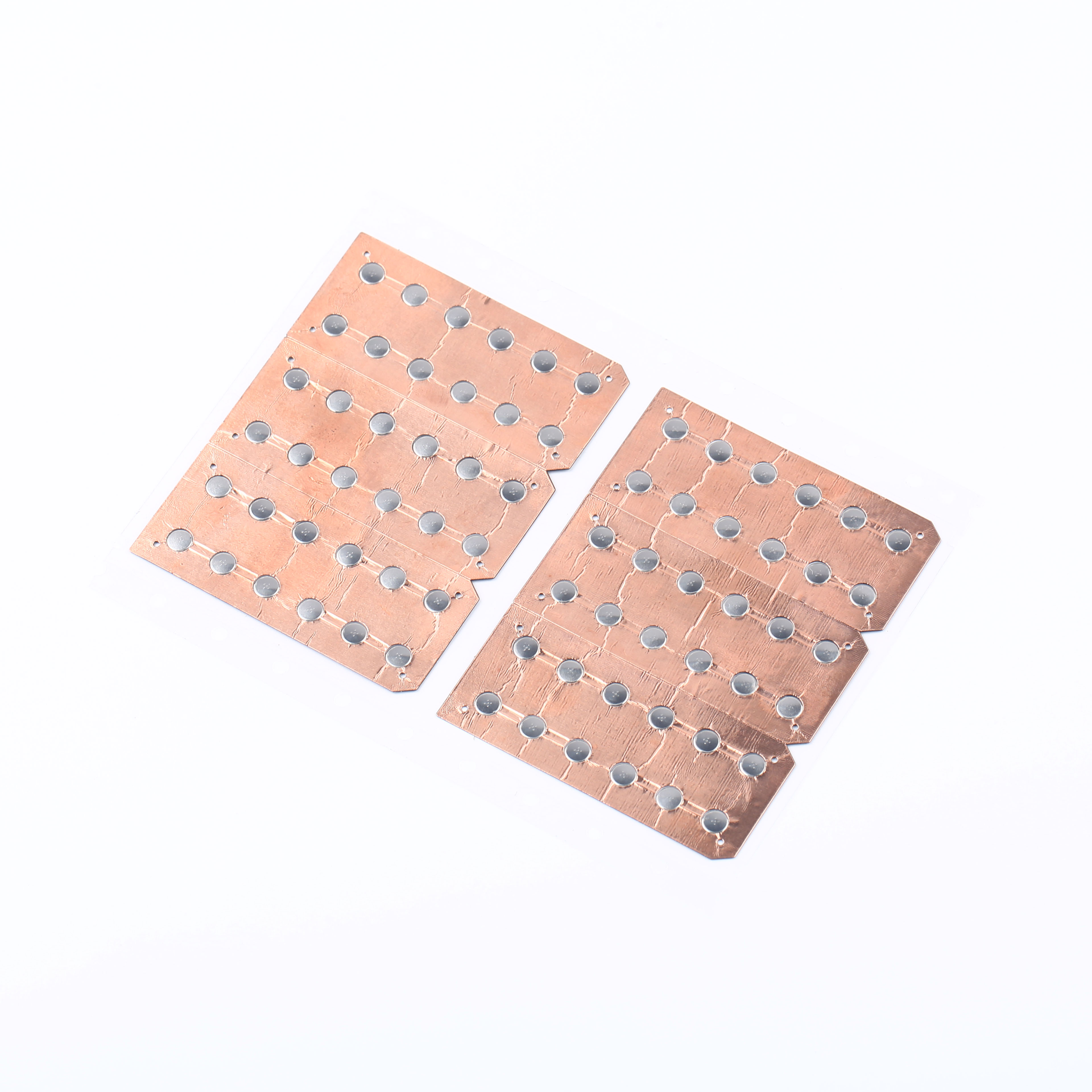
Procurement directors and electronic hardware engineers in 2025+ face stringent technical barriers when sourcing Human Machine Interfaces. Navigating EU Low Voltage Directives, electromagnetic compatibility (EMC), and hygiene protocols has shifted the landscape from passive components to multi-functional surface modules.
Post-pandemic medical technology and food processing facilities demand front panels that tolerate frequent sterilization with isopropyl alcohol, bleach solutions, and high-pressure washdowns. Procurement is moving heavily toward polyester films treated with embedded silver-ion antimicrobial coatings (such as Autotex AM) combined with micro-thin perimeter adhesive gaskets.
Traditional Electroluminescent (EL) backlighting suffers from high voltage degradation, AC inverter noise, and limited half-life. Modern procurement mandates ultra-thin Light Guide Films (LGF) powered by edge-mounted SMD LEDs. This transition guarantees low-power 3.3V DC operation, zero acoustic buzzing, and uniform illumination across custom status legends.
Exporting to European economic territories requires full compliance with Directive 2014/30/EU (EMC) and Directive 2011/65/EU (RoHS). Tier-1 European equipment manufacturers now demand verifiable spectrometer material reports proving non-detectable levels of heavy metals and phthalates in membrane inks, conductive pastes, and adhesives.
Selecting the correct human-machine interface demands a delicate balance between unit tactile feedback, sealing integrity, spatial layout constraints, and overall Bill of Materials (BOM) budgeting.
| Evaluation Parameter | Tactile Membrane Switch (PET/FPC) | Capacitive Touch Membrane Panel | Discrete Electro-Mechanical Keypad |
|---|---|---|---|
| Tactile Feedback | Tactile click via SUS301 stainless steel domes (180g–450g) | Zero travel distance; acoustic or haptic buzzer required | Mechanical plunger travel (2.0mm – 4.0mm) |
| Ingress Protection (IP Rating) | Easily sealed to IP65, IP66, or IP67 with continuous perimeter tape | Solid-state front surface allows continuous IP68 / IP69K sealing | Complex gasketing required; high vulnerability at plunger stem |
| Overall Assembly Thickness | Ultra-low profile (0.8mm to 1.5mm total stack-up) | Extremely flat (0.5mm to 1.2mm total stack-up) | Bulky vertical footprint (usually > 12mm depth requirement) |
| EMI / ESD Shielding | Integrated selective aluminum or printed carbon grid shielding layers | Requires precise grounding loops to prevent false proximity triggering | Metal chassis grounding necessary |
| Tooling & Setup Economics | Highly cost-effective custom steel-rule dies & screen tooling | Moderate tooling costs for custom sensor electrode routing | High capital investment for plastic injection mold tooling |
| Actuation Life Cycle | 1,000,000 to 5,000,000 cycles per switch node | Virtually infinite (no mechanical moving contacts) | 100,000 to 1,000,000 cycles depending on spring quality |
Operating as a specialized factory in Dongguan since March 2009, Dongguan Cevra Electronic Technology Co., Ltd. consolidates design, precision screen printing, automated CNC die-cutting, cleanroom lamination, and lab testing under one accountable manufacturing facility.
We are a confirmed verified manufacturer on Alibaba.com, verified independently onsite by SGS Group. Every batch is supported by complete traceability records, comprehensive incoming material quality control (IQC), in-process inspection (IPQC), and pre-shipment sign-offs.
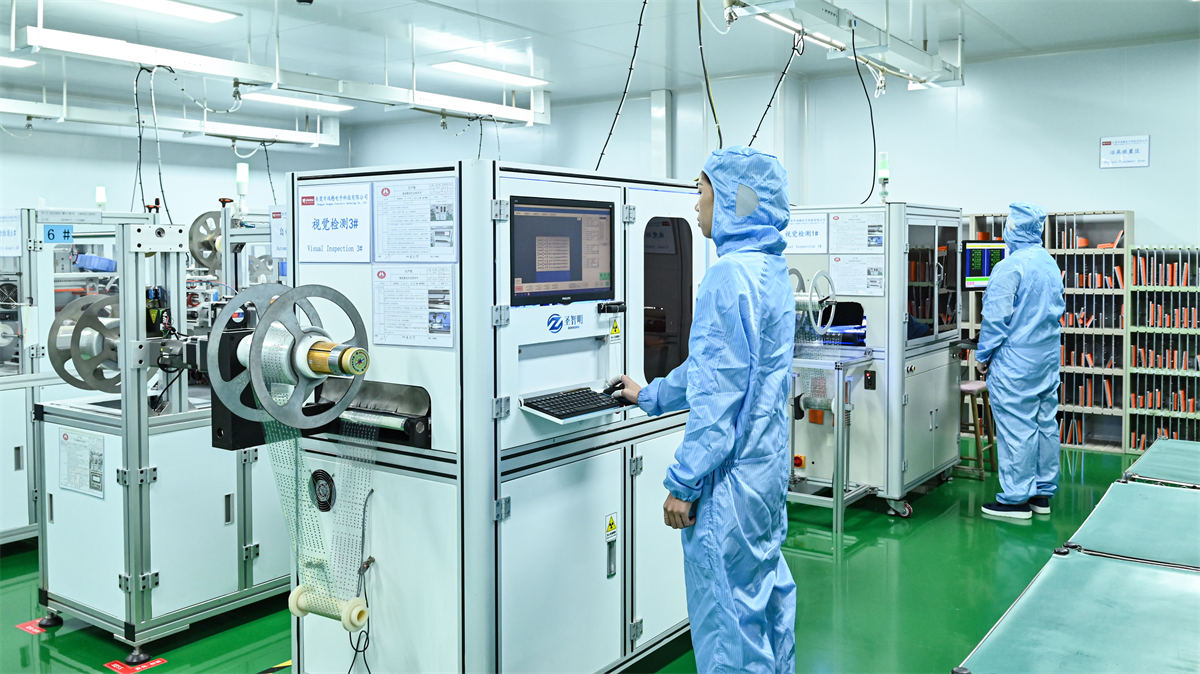
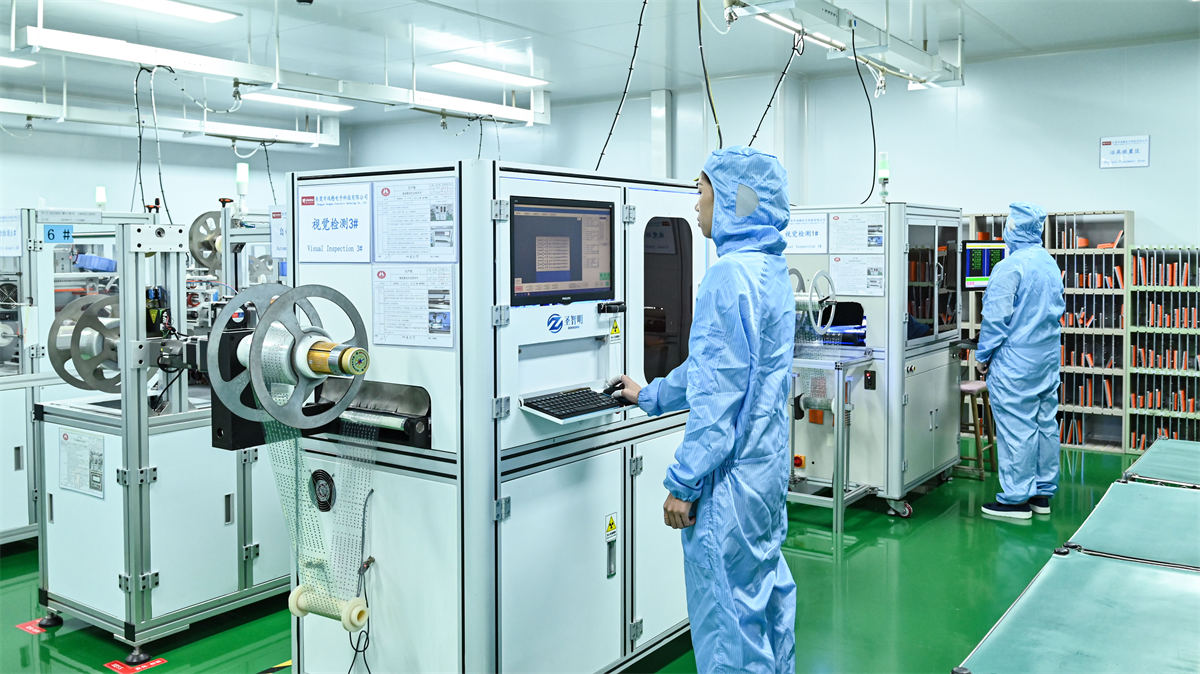
Unlike trading desks that subcontract individual steps, our 2,600㎡ facility controls semi-automatic screen printing lines, precision punching machines, laser cutting tables, CCD drilling machines, and automatic lamination systems. This drastically shortens engineering changes and guarantees exact dimensional tolerances.
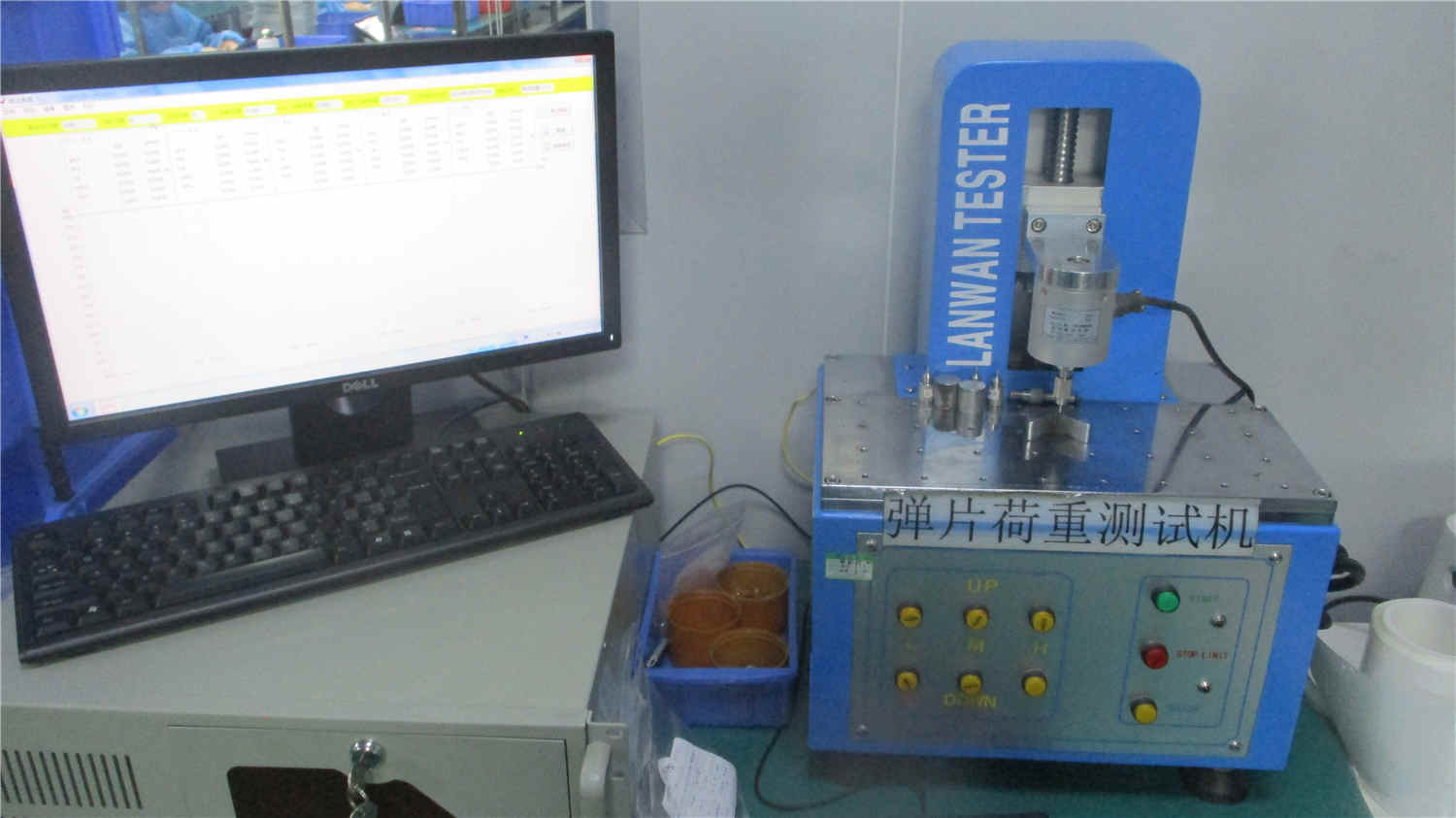
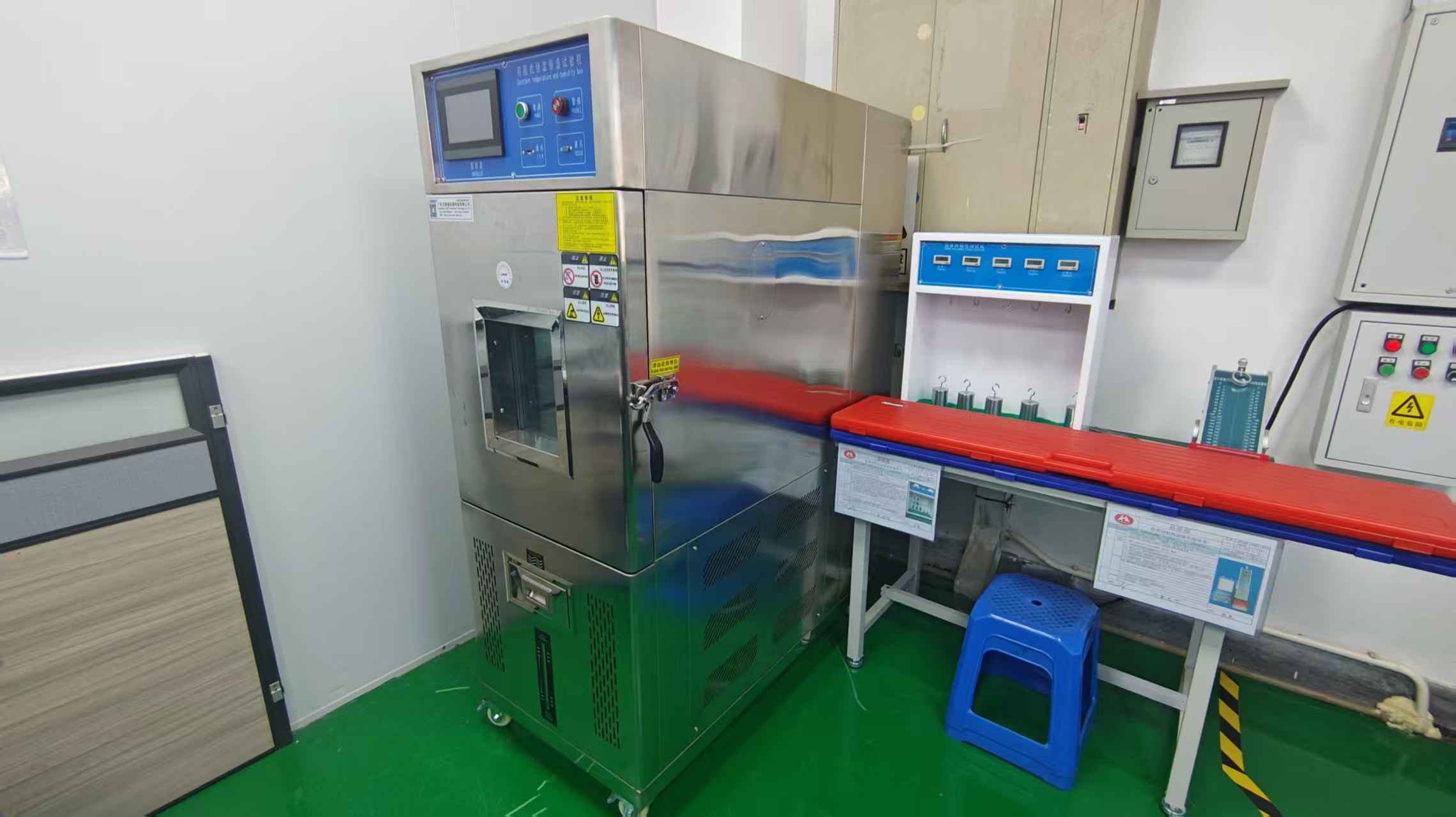
Every membrane switch panel design is backed by our specialized in-house test center. Our equipment includes automated metal dome load-displacement analyzers, electrical contact loop resistance testers, high/low temperature environmental aging chambers, adhesive peel force tension gauges, and pencil hardness surface testing rigs.
Ensuring membrane keypads withstand millions of presses and harsh industrial washdowns requires exhaustive process validation. Cevra monitors trace resistance, silver ink continuity, and insulation resistance at 100V DC before laminating adhesive liners.
Essential technical, compliance, and logistical clarifications for engineering managers and procurement professionals sourcing custom membrane keypad panels from China.
From mechanical drawings and layer stack-up proofs to mass automated assembly, connect directly with our engineering team in Dongguan for design feedback and rapid quotation.