Choosing a Membrane Switch manufacturer is not simply a matter of comparing prices. The part may look like a printed panel, yet its performance depends on layers working together. A fingertip presses the overlay; a metal dome or printed circuit responds beneath it. Adhesive, tail design, lighting, and sealing all affect the finished control.
Don Norman, a design researcher known for his work on usability, wrote, “Good design is actually a lot harder to notice than poor design, in part because good designs fit our needs so well that the design is invisible.” That idea matters here. A well-made switch should feel consistent, show clear legends, and respond reliably—not demand attention from the person using it.
This guide introduces ten Membrane Switch manufacturers in China and considers practical details such as prototyping, material options, customization, production capacity, and quality controls. A factory’s sample may look excellent under office lighting, while the same design behaves differently after repeated presses or exposure to moisture. Ask for test data and clarify tolerances.
Details matter.
The list is a starting point, not a universal ranking. Public information can be incomplete, and a supplier that suits a medical instrument may not fit an outdoor control panel. Compare each company against your drawing, operating environment, and order volume. One limitation deserves attention: supplier claims are not a substitute for reviewing samples and documentation. A careful shortlist helps, but the final choice still requires verification.
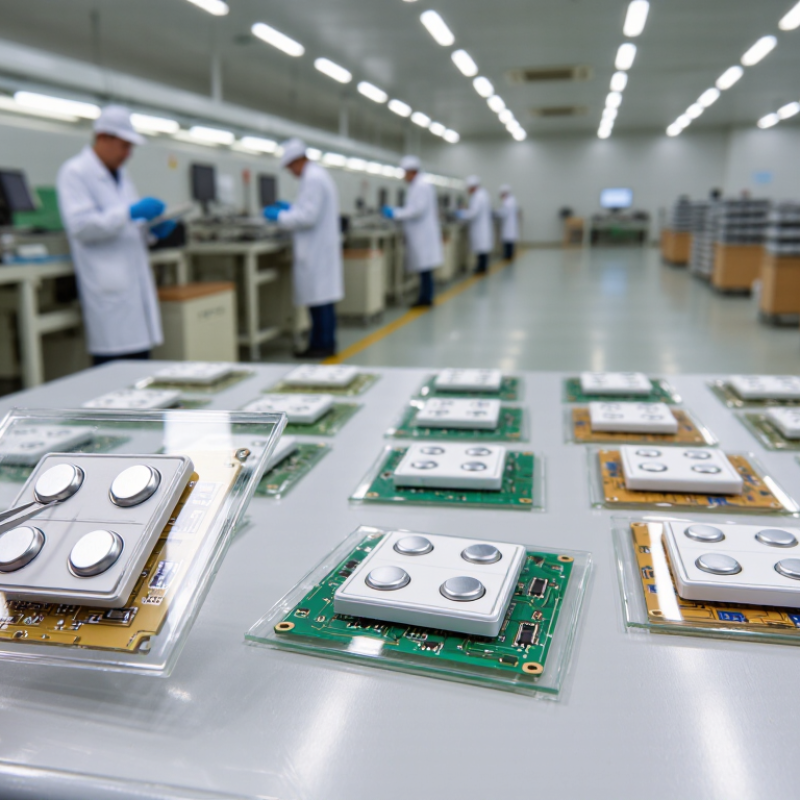
A membrane switch is a thin control panel made from flexible layers. Its printed top layer carries labels and symbols. Beneath it, conductive traces form a circuit, separated by a spacer with small openings. Press a key, and the upper layer bends through one opening to touch a circuit below. The contact completes the electrical path and signals a device.
Not quite magic.
Many designs include a metal dome beneath each key. It flexes with a small snap, giving the user tactile feedback. Without a dome, the key may feel flatter and quieter. The spacer also prevents accidental contact when no key is pressed. Layer materials and adhesives affect flexibility, resistance to moisture, and service life; these details matter in choosing a switch for a specific environment.
The simple diagram can be misleading. A key may look identical across two panels but require a different force or travel distance. Engineers often test samples with the actual enclosure, because mounting pressure can change the feel. Dust, repeated cleaning, and sharp tools can also wear the printed surface. Small design compromises remain. A thinner panel saves space, but may provide less satisfying feedback or durability.
Top 10 Membrane Switch Manufacturers in China
How to Assess Membrane Switch Manufacturers in China
When assessing membrane switch manufacturers in China, look beyond the product photos. Ask how they control printing, die cutting, lamination, and final inspection. A capable supplier should explain material choices, such as polyester overlays, adhesive grades, and expected cycle life. Request a sample built to your drawings, then test it under realistic conditions. Check key feel, label legibility, and connector fit. Small details matter.
Review quality records and ask how defects are tracked and corrected. Check whether the manufacturer can provide clear tolerances, inspection criteria, and traceable material information. If your switch will face moisture, cleaning agents, or frequent handling, discuss those conditions before approving tooling. A polished sample does not prove consistent production. Ask to inspect a recent production run or review documented inspection results. Communication is also evidence: unclear answers about revisions or lead times may signal future friction. No checklist removes every risk.
Tips: Send the same specification to each supplier. Compare samples, not promises. Keep one question open: what could fail in daily use? A little uncertainty is useful.
Profiles of Ten Membrane Switch Manufacturers in China
These ten profiles compare supplier capabilities, not named companies or a ranked directory. Manufacturer 1 focuses on printed overlays; Manufacturer 2 adds tactile metal domes. Manufacturer 3 builds sealed interfaces for wet environments, while Manufacturer 4 specializes in backlighting. Manufacturer 5 offers flexible circuit integration. Manufacturer 6 handles small custom batches; Manufacturer 7 targets high-volume production. Manufacturer 8 emphasizes medical-device traceability, and Manufacturer 9 supports industrial control panels. Manufacturer 10 combines design, tooling, and assembly. These are useful distinctions, but actual capabilities need confirmation from samples and factory audits.
China’s Ministry of Industry and Information Technology reported electronic information manufacturing revenue of about 15.1 trillion yuan in 2023, up 1.1% year over year. This is sector-wide context, not membrane-switch market data. A large manufacturing base does not guarantee consistent printing, adhesive bonding, or switch life. Ask suppliers for test conditions, such as actuation force, cycle count, and performance after humidity exposure. Small details matter.
Tips: Request a drawing review and a first-article sample before approving tooling. Compare the quoted materials with the tested sample. I would also check how the supplier records inspection results; paperwork can look polished while process control remains uneven.
A technical reference for understanding the product construction behind manufacturer profiles.
This chart shows one common six-layer membrane switch construction, ordered from the graphic surface to the rear adhesive. Actual designs vary by application and manufacturer; the chart does not rank or compare individual companies.
A comparison of ten Chinese membrane switch manufacturers should start with product range. Some focus on flat, printed keypads; others offer embossed keys, backlighting, and integrated flexible circuits. Ask whether prototypes, tooling, and production use the same process. That detail affects consistency. Not every factory excels at both.
Capabilities matter most when the panel faces real operating conditions. Check tactile force, overlay material, adhesive choice, and resistance to moisture or cleaning agents. A glossy overlay may look premium, yet fingerprints can reduce legibility. Some suppliers handle small custom runs well; others are better suited to repeat orders and tighter process control. Request sample panels and test them under the expected temperature, light, and cleaning routine.
Industry fit also separates suppliers. Medical equipment often needs clear labels and reliable key response; industrial controls may prioritize durability and glove operation. Consumer devices tend to favor thin profiles and appearance. Fortune Business Insights’ Membrane Switch Market report estimated a global market of USD 4.53 billion in 2022 and forecast USD 6.38 billion by 2029, a 5.0% compound annual growth rate. This signals broad demand, not equal capability across factories. A supplier’s stated experience should be checked against relevant samples and documented test results. The comparison is imperfect: published specifications do not always reveal production consistency.
Choosing a membrane switch manufacturer in China starts with the demands of your actual product, not a catalog photo. Define the operating temperature, expected press cycles, cleaning routine, and enclosure design before requesting quotes. A switch used behind a dusty control-panel door needs different protection from one on a handheld device. Small details matter. Ask how the supplier selects overlay films, adhesive layers, circuit materials, and connector options for those conditions. Request drawings and a production sample, then check key spacing, tactile response, print alignment, and fit against your housing.
Ask for evidence. Review inspection records, material specifications, and the process used to control changes between sample approval and production. A clear answer about tooling ownership, minimum order quantities, lead times, and corrective actions is more useful than a broad quality promise. If the switch includes LEDs, shielding, or a formed overlay, confirm how those features are tested together. It is easy to overvalue a flawless prototype; repeatability across a production batch matters more. Share realistic files and use cases, but keep room for engineering feedback. Some early requirements may need revision once the design meets real assembly constraints. Compare suppliers on communication, documented controls, and willingness to flag risks—not price alone.
It is a thin control panel made from flexible layers. Printed labels sit above conductive traces. Pressing a key connects the circuit.
The upper layer bends through a small spacer opening and touches a circuit below. That contact completes an electrical path. Not quite magic.
A small metal dome beneath the key can snap when pressed. Without one, the key often feels flatter and quieter. Feel varies.
Consider temperature, moisture, cleaning routines, press cycles, and enclosure design. A dusty control panel may need different protection from a handheld device.
Fit it into the actual housing. Check key spacing, press feel, printed labels, connector fit, and alignment. Try realistic cleaning and handling, too.
Ask how printing, die cutting, lamination, and final inspection are controlled. Request tolerances, inspection criteria, and records showing how defects are corrected.
No. A flawless sample can still mislead. Review recent production evidence and ask how approved designs are controlled across batches.
Send each supplier the same specifications. Compare samples, documented controls, communication, lead times, and risk feedback—not price alone. No checklist removes every risk.
This article introduces the structure and operation of a Membrane Switch, explaining how its layered design, printed circuits, and contact points work together to provide a responsive interface. It also outlines practical ways to assess manufacturers in China, including their engineering expertise, production capacity, quality-control processes, customization options, communication, and ability to meet project requirements.
The guide presents an overview of ten manufacturers without focusing on brand names, then compares the types of products they offer, their technical capabilities, and the industries they serve. By considering factors such as design support, materials, testing, order volume, lead time, and after-sales service, readers can better determine which manufacturer is a suitable fit for their application and make a more informed choice for their project.